
Introduction
Tomatoes and onions respond well to integrated pest management (IPM). This reduces dependence on expensive agrochemicals and protects yields.
Cultural controls
– Crop rotation, clean seedbeds, and removing crop residues reduce pest carryover. For onions, avoid planting in the same site for consecutive seasons.
Resistant varieties & seed quality
– Use seeds with documented pest resistance where available. Healthy seeds reduce early-season losses.
Monitoring & early intervention
– Scout fields weekly. Use yellow sticky traps for monitoring aphids and whiteflies. Early spotting saves costly sprays.
Biological controls
– Encourage natural enemies: release Trichogramma for caterpillars or use neem extracts against sap-suckers. Maintain nectar strips (flowering plants) to attract predators.
Safe chemical use
– When necessary, apply selective insecticides and follow label instructions. Rotate modes of action to avoid resistance. Always use PPE.
Post-harvest handling
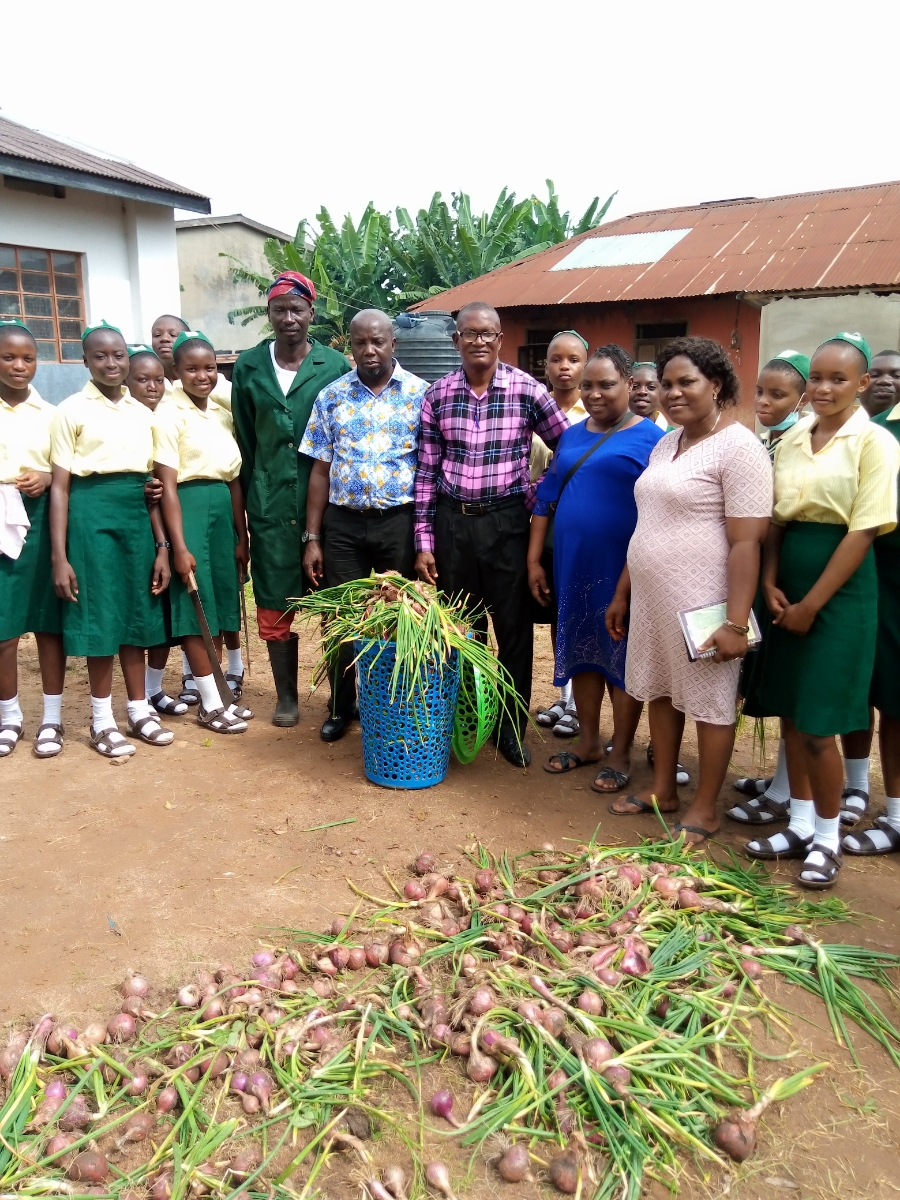
– Dry and cure onions properly to avoid rot. For tomatoes, handle gently and use ventilated crates.
Practical example
A training group that implemented weekly scouting and intercropped marigolds reduced insecticide sprays by 40% and maintained yields.
Conclusion
IPM is practical, scalable and cost-effective. Book our IPM workshop to implement these steps on your farm.
Share This News