
Introduction
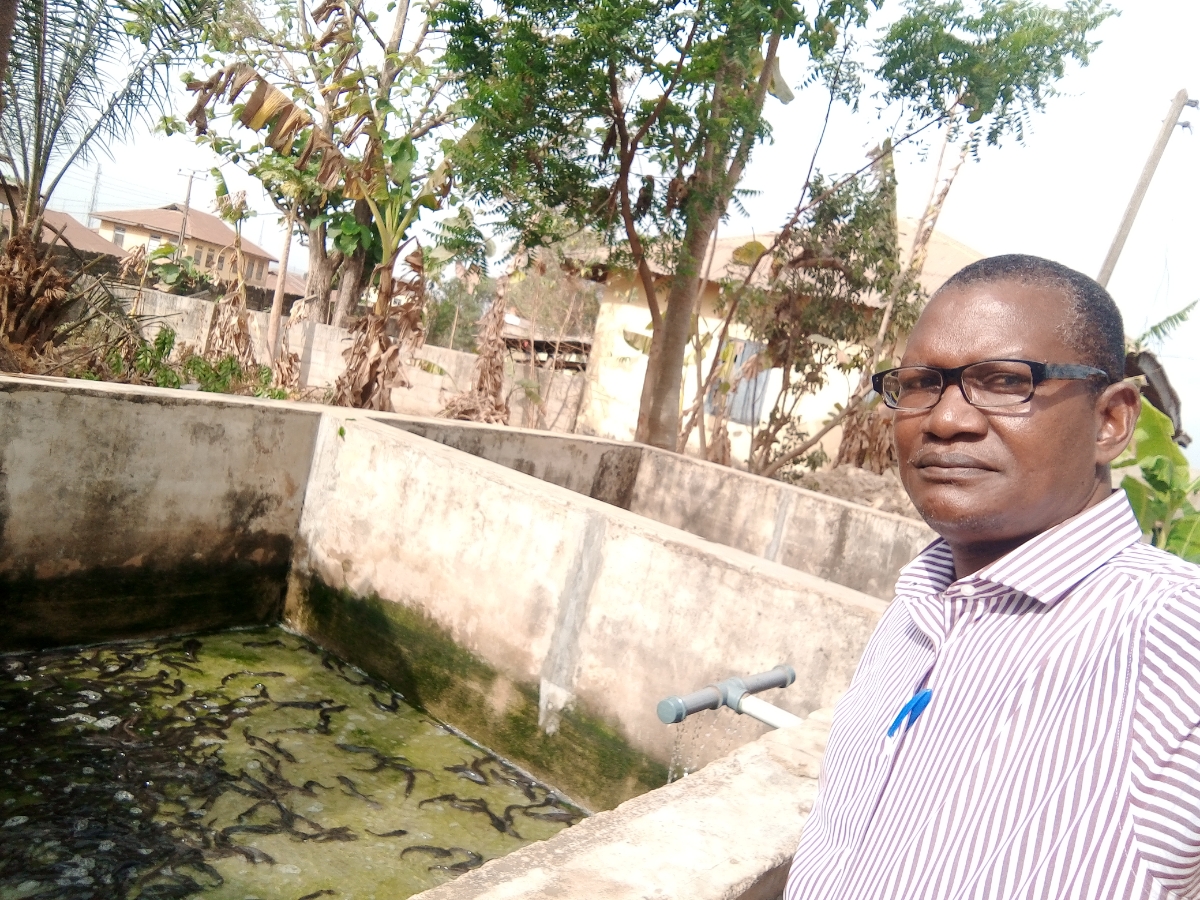
Tilapia is forgiving and popular for small-scale aquaculture. A backyard pond of 50–200 m² can feed a family and produce surplus for sale.
Pond design & lining
– Clay ponds are traditional; consider HDPE liners where soils are leaky. Depth 1–1.5 m allows temperature stability.
Water source & quality
– Use clean water, avoid contamination from runoff. Test pH (6.5–8.5 optimal) and maintain DO (dissolved oxygen) — aerate when necessary.
Stocking rates & fingerlings
– For mixed-sex systems: 2–3 fish/m². For intensive systems, reduce pond area per fish and provide higher aeration. Start with healthy fingerlings from trusted hatcheries.
Feeding & growth
– Use balanced feeds (28–35% protein for juveniles). Feed twice daily, adjusting ration by biomass. Monitor growth and adjust feeding.
Health management
– Observe for parasites and sudden mortality; isolate and conduct simple treatments (salt bath, change water). Avoid overstocking to reduce stress.
Harvesting & marketing
– Partial harvests provide continuous supply. Build relationships with local traders and hotels.
Practical tip
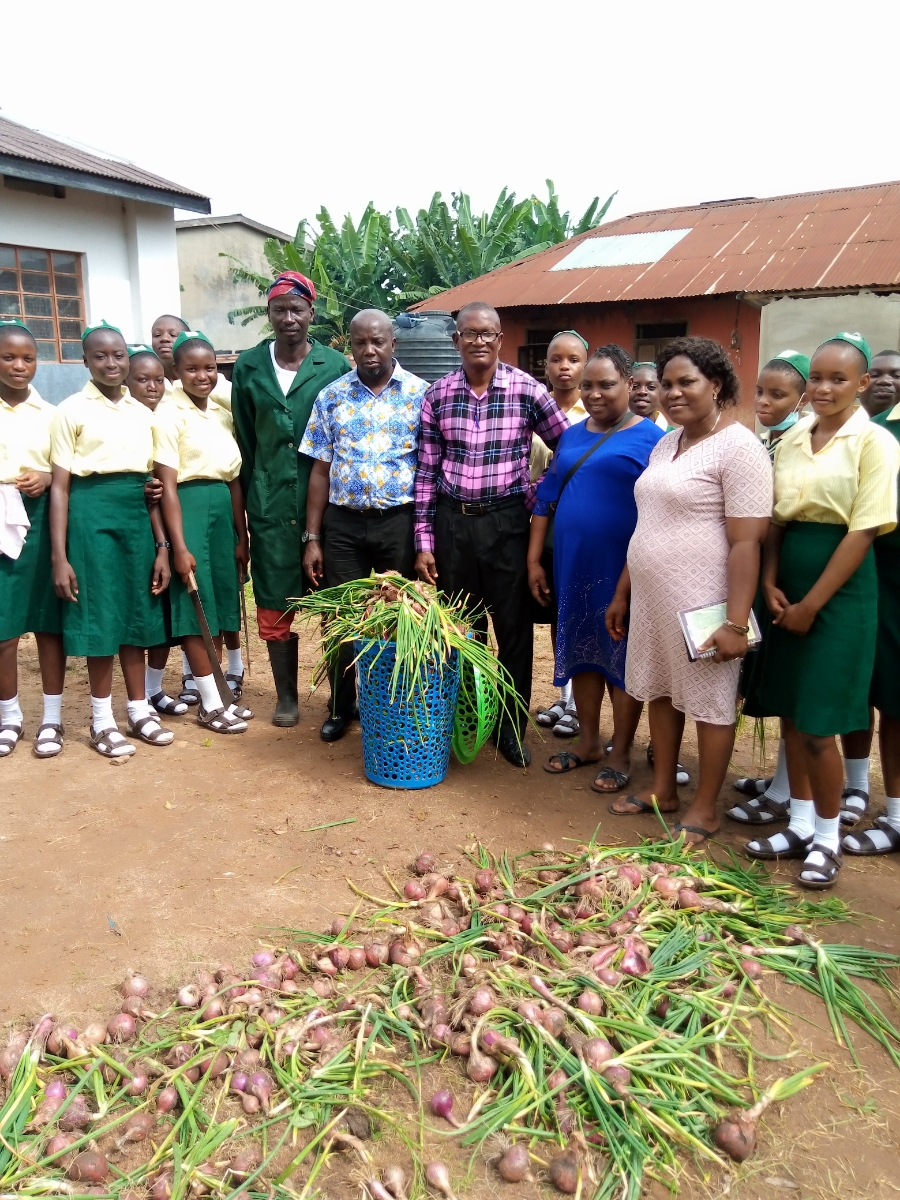
Integrate fish pond water with irrigation for nearby vegetables — nutrient-rich water can support plant growth while reducing waste. We offer pond design consultations and fingerling supply.
Share This News