
Introduction
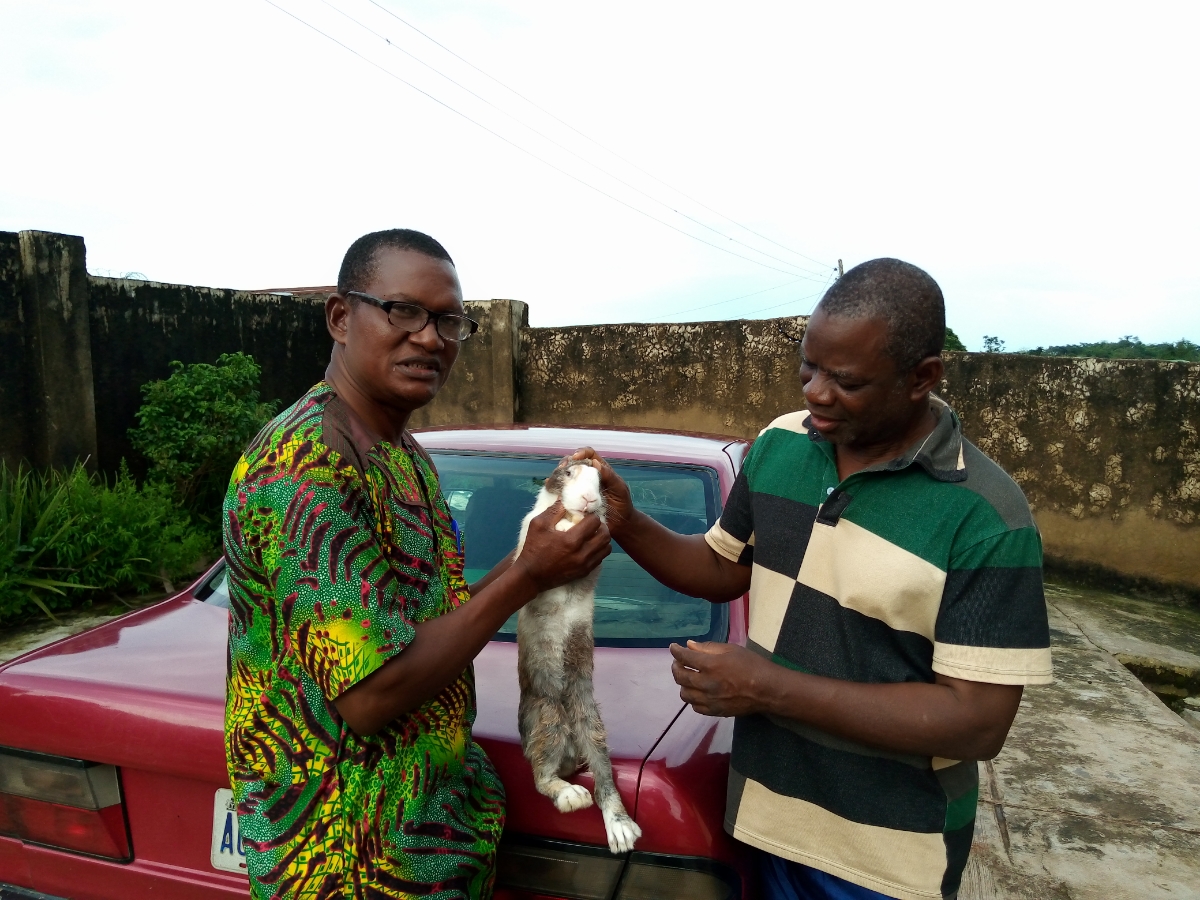
Rabbit farming is ideal for youth and smallholders: low start-up cost, rapid reproduction, and a steady market for meat and manure. At Josnebi Farms we’ve trained dozens of beginners; here’s a practical, tested plan you can follow.
Choose the right breed
– For meat production, New Zealand White and Californian are top picks — fast growth and good carcass yield. For mixed income streams (wool + meat), Angora and Chinchilla varieties are options.
– Start with 10–20 breeding does and 2–3 bucks for a small commercial unit.
Housing and space
– Aim for well-ventilated hutches with raised floors to prevent dampness. Each breeding doe needs at least 0.8–1.0 m²; growing rabbits 0.5 m² each. Use locally-sourced timber and wire mesh.
– Keep hutches off the ground and orient to reduce direct sun and heavy wind.
Feeding and nutrition
– Young rabbits need 18–20% protein grower feed. Mix maize, soybean cake, palm kernel cake (where available), and premix minerals. We recommend a commercial grower feed until 12 weeks, then transition.
– Provide clean water via nipple drinkers or troughs.
Breeding management
– Doe:breeder ratio 5:1 is common. Watch for signs of estrus and use controlled mating. Average litter size is 6–8; with good management you can get 4 litters per year.
Health & biosecurity
– Vaccinate against Rabbit Hemorrhagic Disease where vaccines are available, and deworm every 8–12 weeks. Isolate new stock for 2 weeks. Keep records of treatments and mortality.
Processing & marketing
– Slaughter at 2.5–3.5 kg live weight (usually 12–16 weeks). Offer processed, cleaned carcasses for restaurants and households. Value-add by offering smoked or vacuum-packed portions.
Economics & record-keeping
– Track feed, medicine, mortality, and sales. Profitability comes from efficient feed conversion and good market links; a modest unit can pay back setup costs in 6–12 months.
Conclusion & CTA
Start with a simple business plan and book a hands-on training with us. We offer starter kits, breed stock and processing guidance.
Share This News